By Luis Zuriel P. Domingo Recently, the Filipino government’s Congress started its plenary deliberations proposing amendments in what they call the “restrictive” economic provisions of the current 1987 Constitution. President Duterte and his close allies in Congress wish to empower the government through freedom to adopt such measures that will pave way for economic development. […]
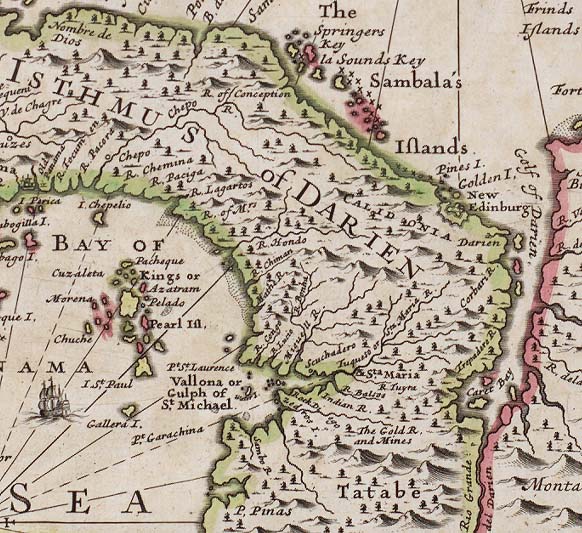
By Xiang Wei In a letter to his mother dated 2 February 1700, Alexander Shields (1659/60–1700), a Covenanting Church of Scotland minister, described the Darien colony (Panama) as ‘a remote, but very pleasant Land, and one of the most fruitful spots of the Earth, where God reigns’. The promising picture of ‘the Rising Sun in […]
By Mattia Steardo Fernand Braudel famously argued that the economy was a tripartite system, in which capitalism was forming the upper layer, the world of rich merchants and bankers well-acquainted with political power. Hence, the central question related to the advent of modern economies was to understand how and when the “capitalist sector”, the one […]
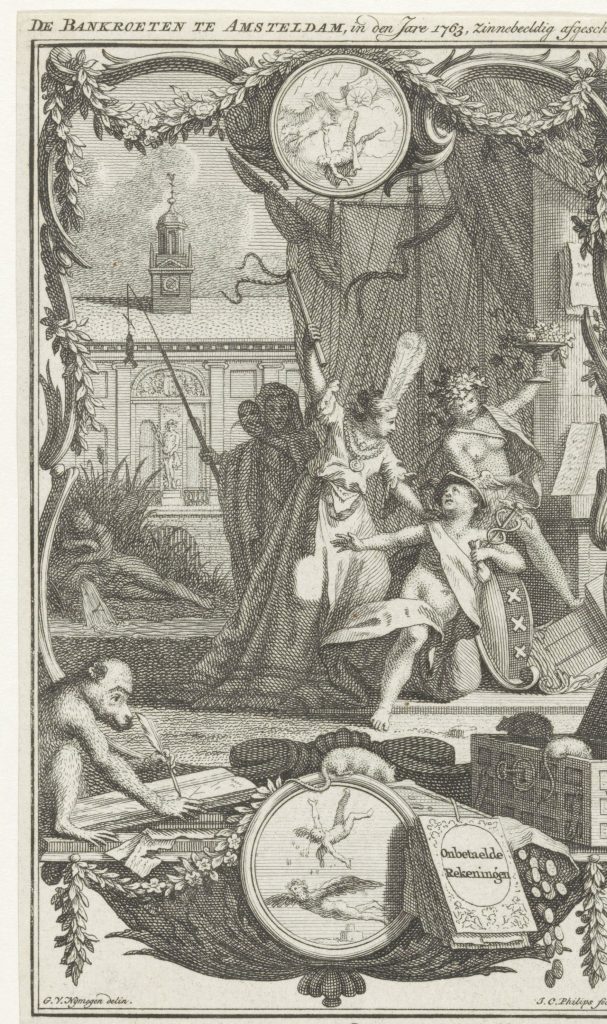
By Patrick van der Geest. @ideesdupasse The credit crisis of 1772-1773 is perhaps the least known financial crisis of the eighteenth century. It took place between two infamous events: the banking crisis of 1763 and the economic turmoil of the American Revolutionary War. Yet it is just as, if not more, historically significant, because it […]
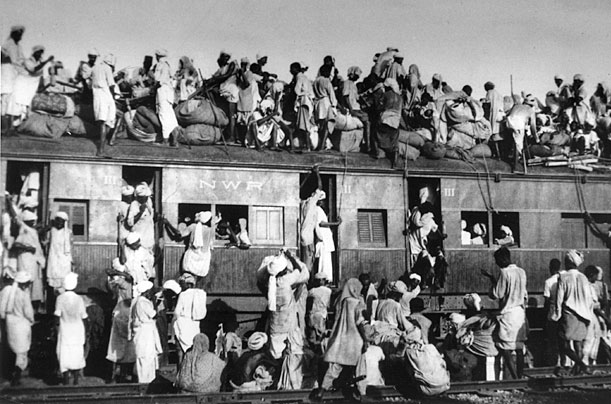
By Parul Srivastava “…but I am not an important person, why do you want to record my experience? Who will want to listen to my experience when my children have never cared to ask me about how I came to India from Karachi, Pakistan…”?[1] - An interviewee’s words when I explained why I wanted to […]
By Isha Sharma The ongoing ecological crisis, mainly in the form of climate change presents two crucial challenges for global public policy: to enable cooperation among countries to deal with its impacts and to bring about a global shift towards sustainable development. Both challenges arise from the acknowledgment of climate change as an issue that […]
By Ana Londe Silva ([email protected]) “The experience of all ages and nations, I believe, demonstrates that the work done by slaves, though it appears to cost only their maintenance, is in the end the dearest of any”.[1] Adam Smith, Wealth of Nations (1776) Ancient Greece and Rome, feudal Western Europe, and 18th-century American […]
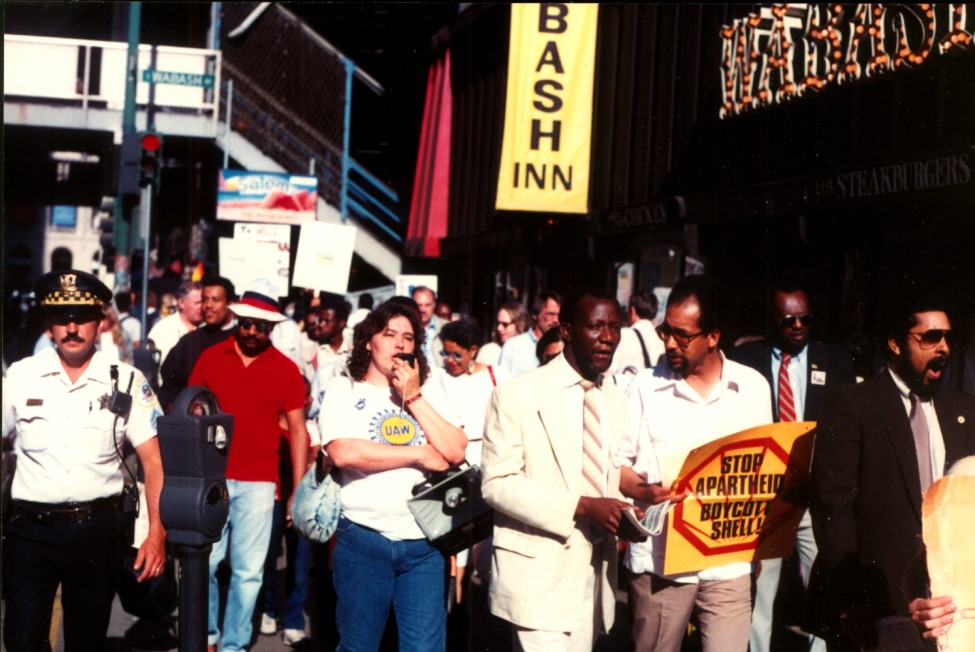
Feature Image: Soweto Day Walkathon in Chicago, June 16, 1988. Link: https://africanactivist.msu.edu/image.php?objectid=210-809-1121 (permission granted by Joan Gerig) By Zeb Larson Studies of the anti-apartheid movement have proliferated over the past few years, owed in no small part to greater archival access as well as the legacy of the movement today.[1] The anti-apartheid movement in the […]
By Tom Shillam As Christopher Lee has written, decolonisation in the mid-twentieth century constituted ‘a complex dialectical intersection of competing views and claims over colonial pasts, transitional presents, and inchoate futures’ as much as ‘a linear, diplomatic transfer of power’.[1] This is also an observation which scholars of the transnational cultural and intellectual histories of […]
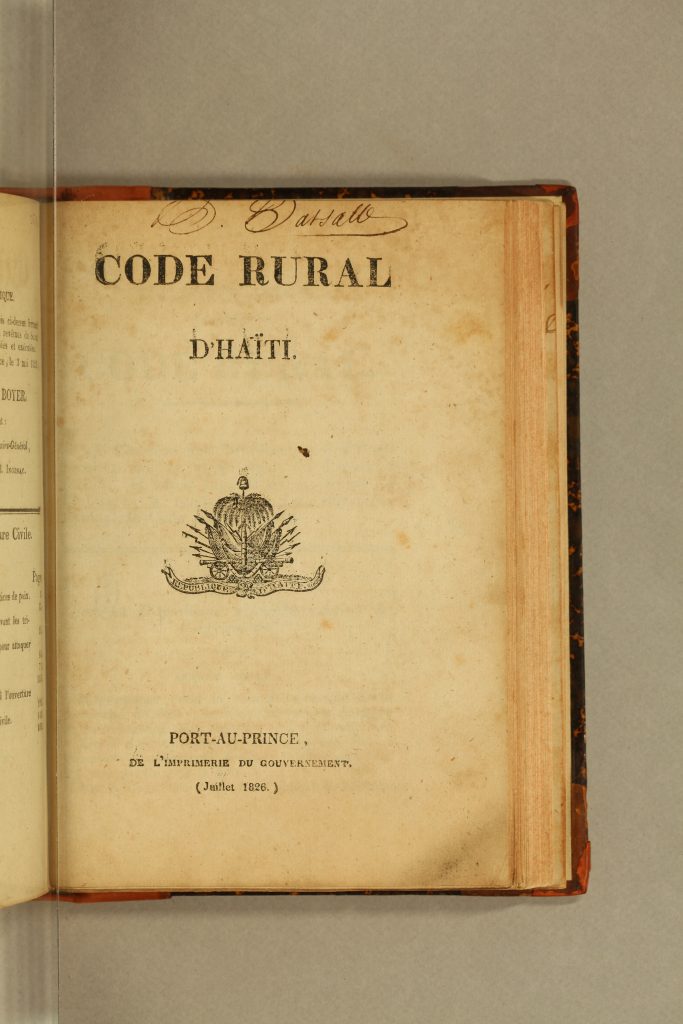
By Bethânia Santos Pereira President Jean-Pierre Boyer, who ruled Haiti between 1818 and 1843, was responsible for achieving a relative moment of internal political stability in the country: he unified the entire island, which removed possible conflicts with the reign of Henry Christophe as well as the Spanish crown, he managed to negotiate the recognition […]