By Jessica Albrecht When the so-called First Wave of feminism is remembered, as it has been in the previous years, it is usually thought of as a time of women’s enfranchisement in the “western” world.[1] As it is told, women and some men fought for women’s rights in terms of vote, divorce and education. These […]

Posts
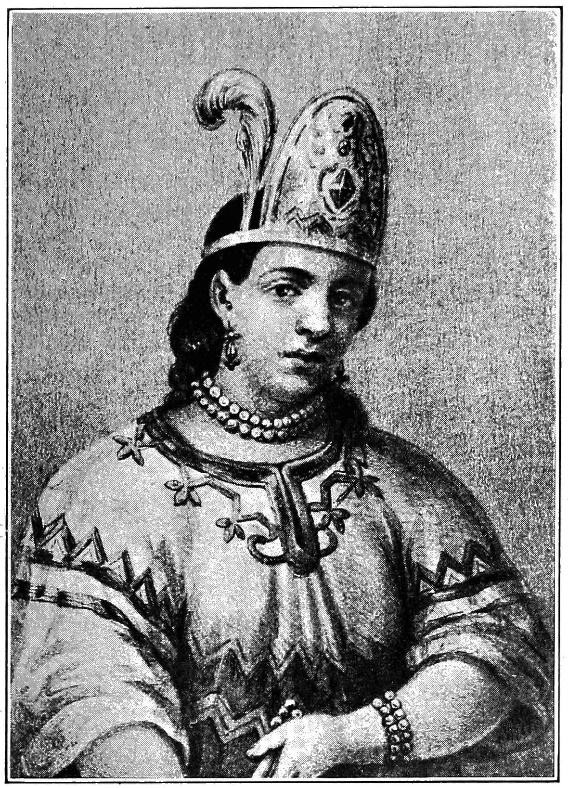
By Viola Nassi Sí, soy hija de la Chingada. I’ve always been her daughter. No ‘tes chingando. Gloria Anzaldúa, Borderlands/La Frontera: The New Mestiza When Hernán Cortés arrived at Pontonchan in 1519, he was introduced to a woman who would forever change the destiny of Mexico. That woman was called Malinalli, Malintzin, or, as […]
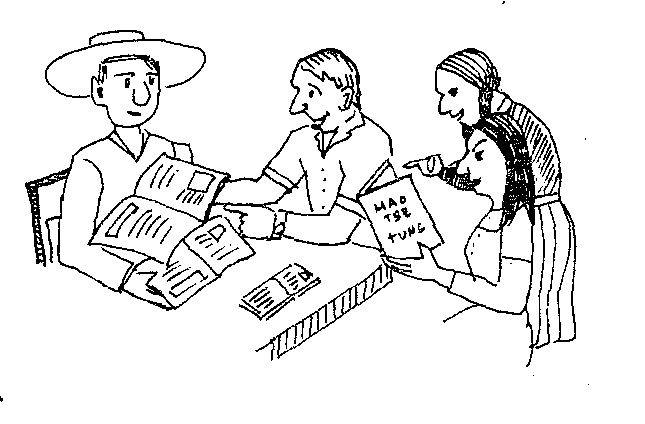
The French Roots of Mexican Maoism: Adolfo Orive’s Early Days as a Student of Revolution (1954-1968)
By Jorge Puma The men always made themselves from the material world from rich villas or the slums “El Mayor” by Silvio Rodríguez The triumph of Mao Zedong and the People’s Republic of China’s proclamation in 1949 caused a frenzy among the American anti-Communist establishment. A wave of persecution destroyed lives and reputations throughout […]
By Austin Clements. Twitter: @ClementsAustinJ In the American mind, the Spanish Civil War (1936-1939) was a romantic adventure. Idolized in novels and film, such as Ernest Hemingway’s For Whom the Bell Tolls and popular non-fiction such as Adam Hochschild’s Spain in Our Hearts, brave Americans defied their nation’s craven neutrality to embark on a noble […]
By Yasmina Martin On November 13th, 1970, The Standard, a major Tanzanian English-language newspaper, published an article detailing tumultuous events at the University College, Dar es Salaam. A group of radical students organizing as the University Students African Revolutionary Front (USARF) had been shut down by the government, and their journal, Cheche, was ordered to […]
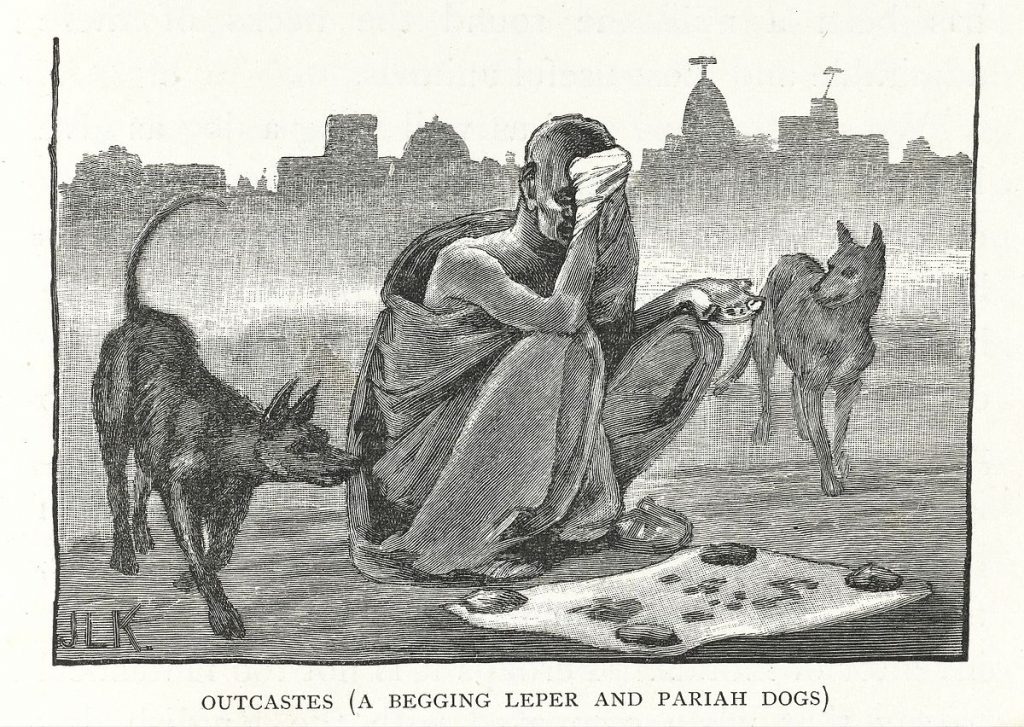
By Ankit Kawade Max Weber begins his treatise Ancient Judaism with the following comparativist premise: “The problem of ancient Jewry, although unique in the socio-historical study of religion, can best be understood in comparison with the problem of the Indian caste order.”[1] Weber’s premise of studying Jewish religious history in comparison with the caste order […]
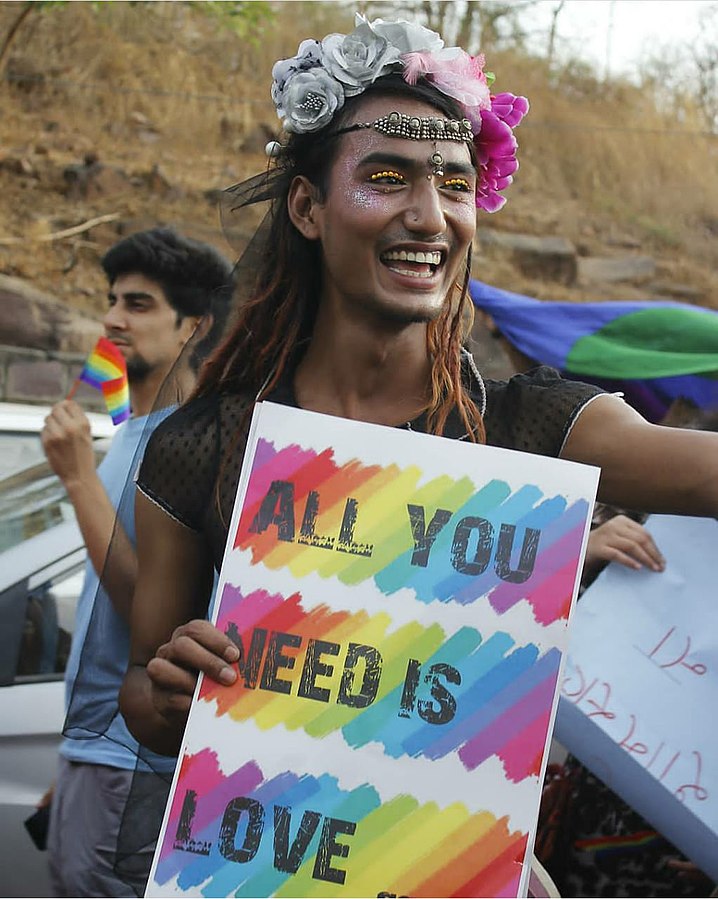
By Rianna Price Within the studies of medicalization of deviant same-sex desire, the landmark removal of homosexuality as a disorder from the DSM-II (Diagnostic and Statistical Manual of Mental Disorders) is often seen as a watershed moment for changing medical attitudes. What was once a sin had become a crime before being treated as a […]
By Niels Boender The sudden ubiquitousness of debates about historical memory, driven by important awakenings regarding systematic injustices, have thrust historians to the centre of what is now popularly called ‘the culture wars’. This offers an opportunity for historians to share their findings in ways that palpably impact understandings of global and national histories, as […]
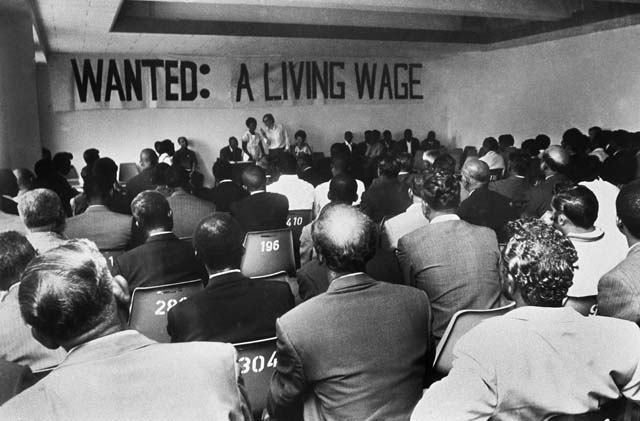
By Mattie Webb Following the 1976 Soweto uprising, the international press derided the ongoing episodes of South African police violence against youth protestors, compelling some multinationals to reconsider their operations in a country that denied human rights to the majority of its population. The United States has a history of investment with South Africa. Dating […]
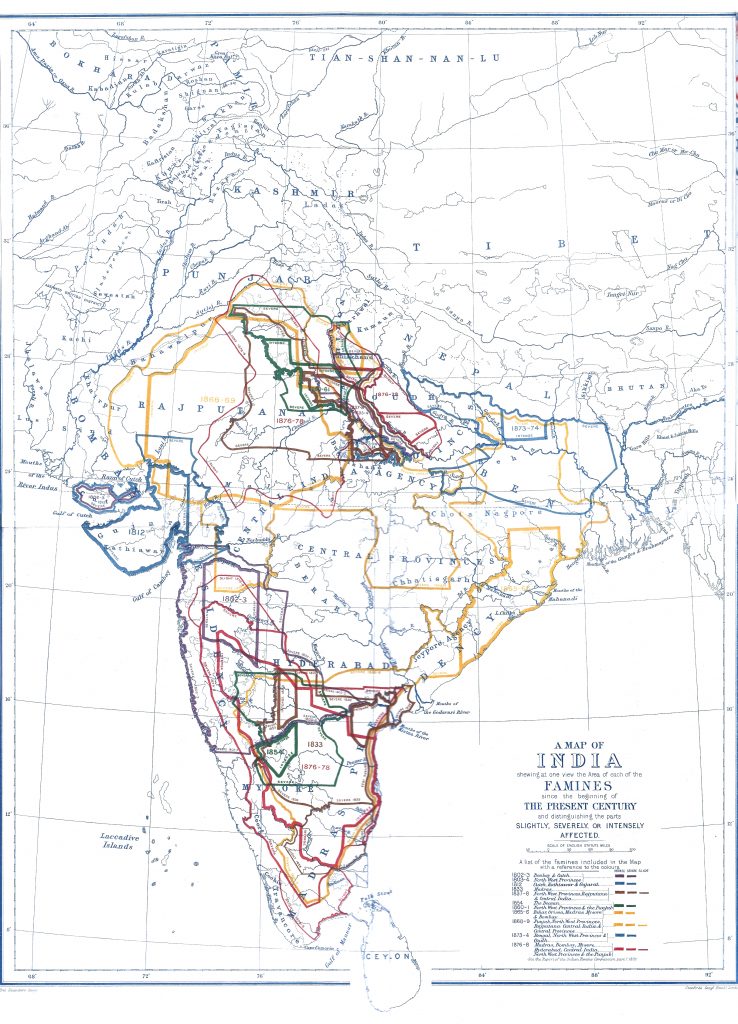
By Emma Wordsworth Food, despite being both a biological necessity and a symbolic cultural touchstone, has only recently been recognised as a major historical force. As historian David Arnold persuasively argued in 1988, “food was, and continues to be, power in a most basic, tangible, and inescapable form”.[1] Certainly, in the early 1870s, the issue […]