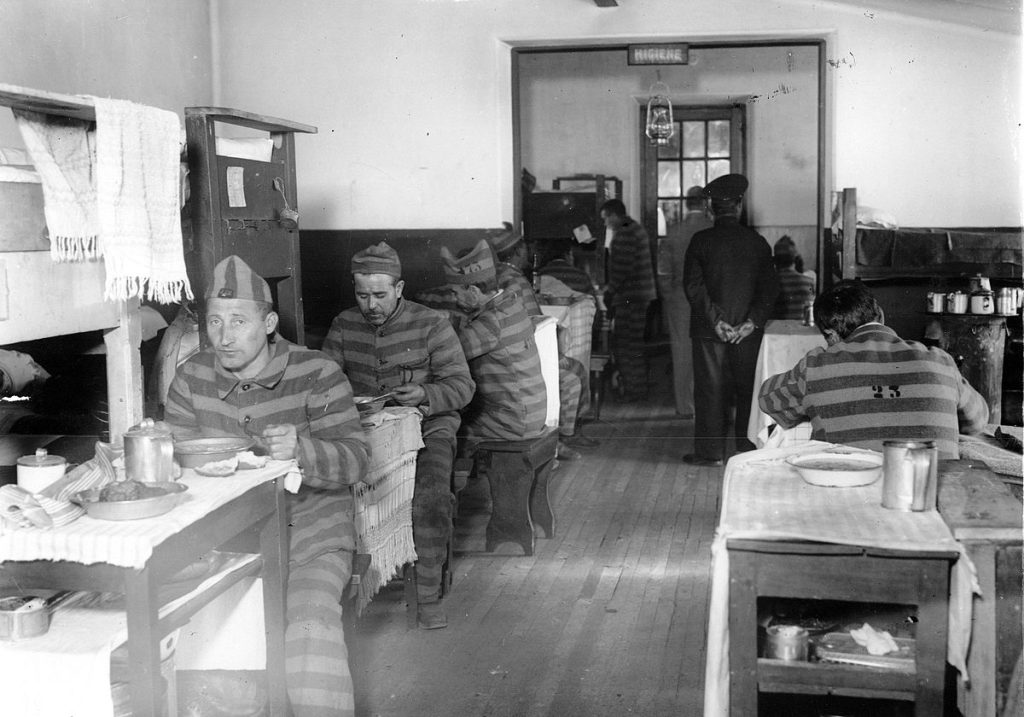
By Oliver Wilson-Nunn The ways in which we understand prisons are filtered through the lens, quite literally, of cinema and television. As criminologists have long remarked, the distance separating many of us, both socially and spatially, from these often-secretive institutions is such that moving images have come to be privileged windows—albeit dirty and cracked—onto this […]
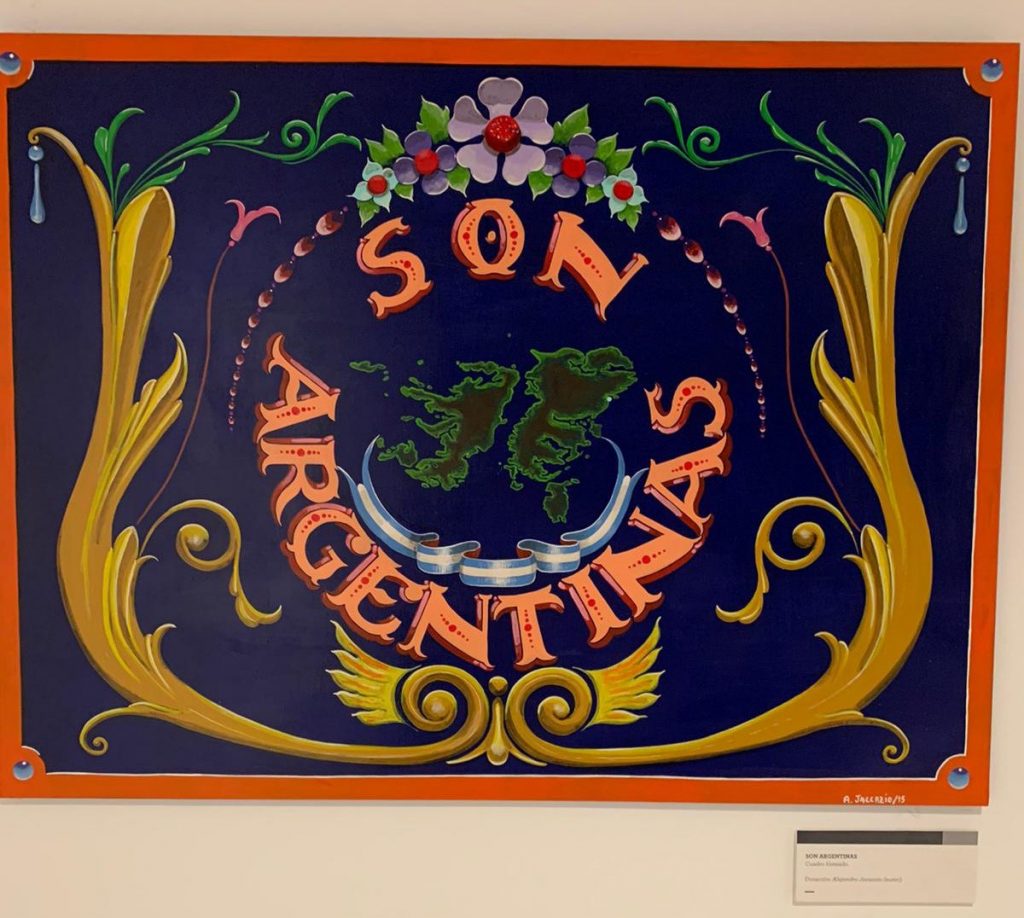
By Lula Murphy On a misty morning in 1982, Argentine forces disembarked on the Falkland Islands, beginning a war with the UK that ended with a death toll of 649 Argentine soldiers, 255 British soldiers, and three islanders.[1] However, the 74-day conflict which began that 2nd April was a new chapter in an older dispute […]
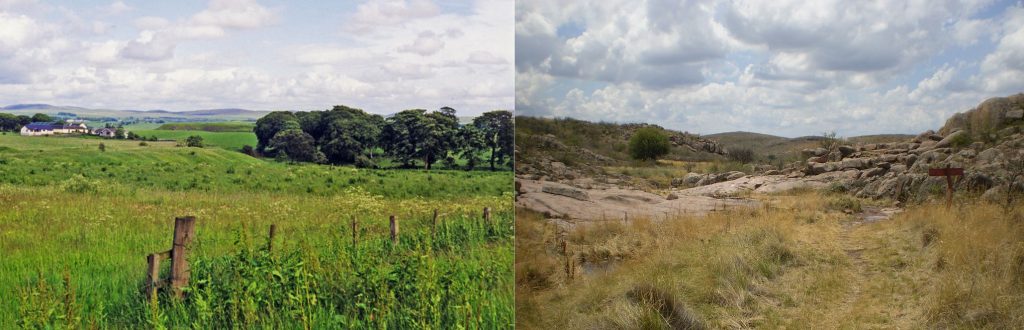
By Claire C. Arnold In April of 1888 Herbert Gibson made a momentous decision. Writing in his personal diary, he switched from writing in English to writing in Spanish to declare that after seven years in Argentina he had “ceased to be Scottish” and “adopted a new country.” [1] Over the following years, the newly […]
By Mattia Steardo Fernand Braudel famously argued that the economy was a tripartite system, in which capitalism was forming the upper layer, the world of rich merchants and bankers well-acquainted with political power. Hence, the central question related to the advent of modern economies was to understand how and when the “capitalist sector”, the one […]
By Pablo Pryluka In 1972, the Club of Rome published The Limits to Growth. After signing an agreement with an MIT team, they developed a computational model that predicted the imminent collapse of planet Earth: the growing population was about to drain all the available resources and create a demographic collapse. Claiming such an apocalyptic […]
Our editorial team work incredibly hard to develop the activities, reach and scope of the centre. As well as their role in collaborating with contributors and editing submissions to the centre’s Global History Blog, our team have their own areas of responsibility within the centre and their own research and projects that they are working […]
By Anna Nicol. Art frequently operates as a “vehicle of memory”, adding tangibility to past events. Sociologist Elizabeth Jelin coined the phrase to refer to how cultural products connect ‘individual subjectivities, societal or collective belonging, and the embodiment of the past.’[1] Artistic mediums are particularly innovative at creating space for counter-memories and marginalised narratives under […]
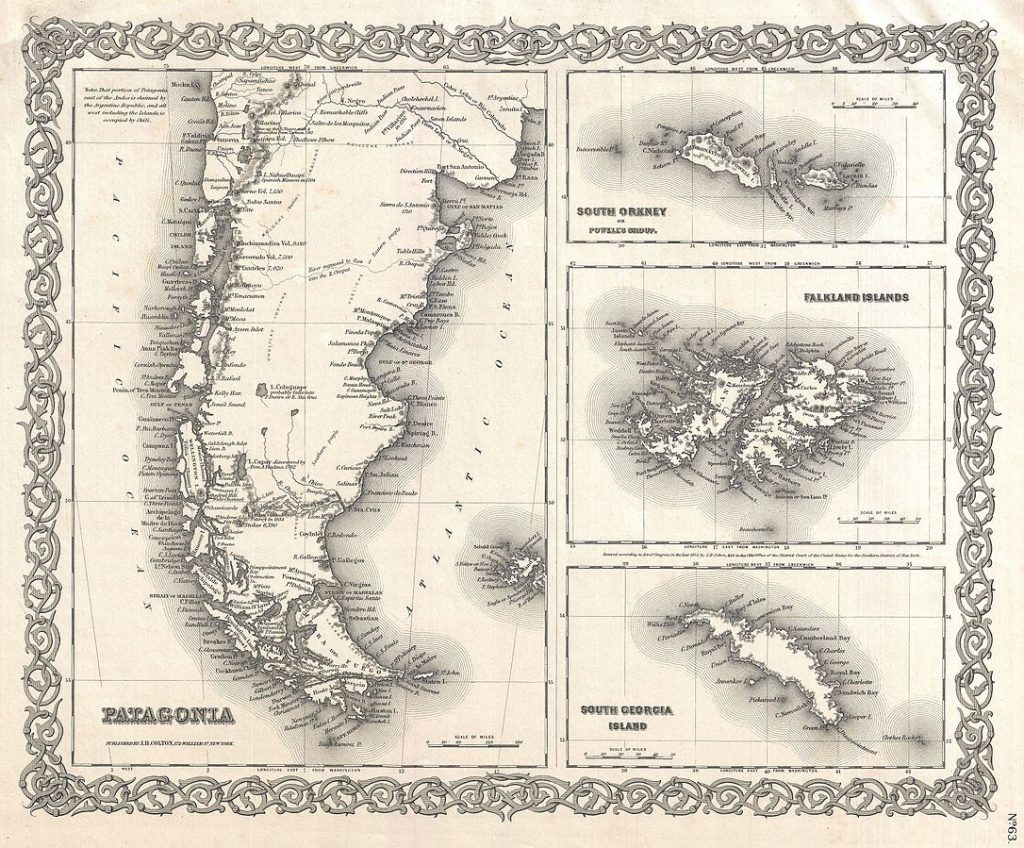
By Nicolás Gómez Baeza. Between 1888-89, John Hamilton, Henry Jamieson, John McLean and Thomas Saunders, among others, participated in the so-called “big sheep-ride” [“gran arreo”] through southern Patagonia.[1] Who were they? Three were born in Scotland, worked as shepherds in the Falkland Islands, and became landowners and businessmen in southern Patagonia and Tierra del Fuego; […]
By Jordan Buchanan. In 1924, the Member of Parliament for Swansea West, Walter Runciman, claimed that ‘there are more Scotsmen in Argentina than there are in Glasgow, and our trading in Argentina is of the greatest importance.’[1] His address to parliament was directed at soliciting its support for British traders in Argentina as Britain’s dominant […]